

"Zoom fatigue" is real but the precise problem is "Low engagement events".
You only need to look at gamers who can spend all day, every day behind a screen but still feel energised, to realise that you can still be energised even if you are behind a screen.
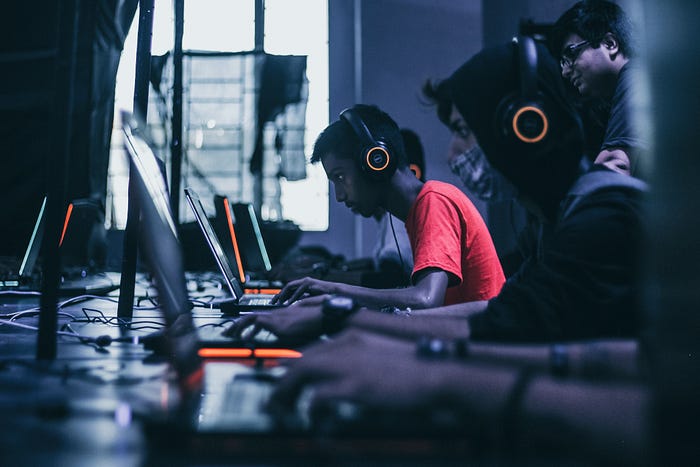
Gamers don't suffer from game fatigue but they do drop off a game if it is not engaging them.
The challenge is how do you build engagement into each and every event and interaction.
Engaging events are engaging because there is a connection between the purpose, the people, and the content.
For gamers, this distills into the purpose of winning the game as a team, through rich communication and collaboration.
For events, this translates into having a common purpose, which creates rich communication and collaboration amongst the team.
Individuals are energised by working on the things they care about as well as being able to bring their unique strengths to the fore.
The secret sauce — spend time designing your event
This is critical. Not doing so is a recipe for disaster as the likelihood of post-event tangible action, rapidly diminishes as the level of engagement drops.
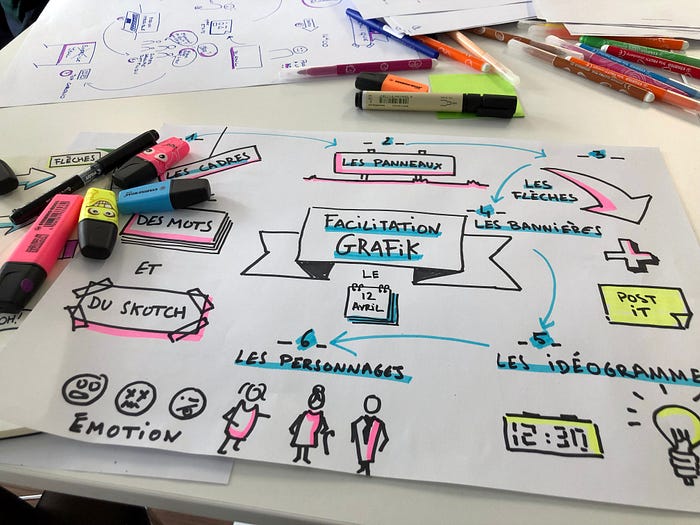
A typical mistake is to design an event as a one-directional information overload because it is easy. You may even spice it up with a little bit of Q&A.
Unfortunately, this approach provides very few opportunities for people to truly engage and collaborate.
The 3 principles of the engagement alternative
- Small groups
- Individual perspectives
- Self-direction
Your events should apply these three approaches to maximise engagement. Build your event like a game, small groups of highly skilled players, that are driven to do their best to help the team succeed.
These principles equally apply in both digital and in-the-room events, but their challenges are more pronounced in digital events.
Why they work
1. Connect in small groups
Create close connections — People thirst for interaction
Connecting in small groups allows individuals to create deeper bonds in a short period of time. Humans are first and foremost social animals, and we all thrive on interaction irrespective of whether you are an introvert or an extrovert. Smaller groups create more space and thus enable better collaboration. I've found that in digital events, the right small group size is roughly 5 people.
2. Share individual perspectives

We want to matter
Creating the ability for individuals to share their perspective delivers on our deep need to make a difference. We all want to be of importance to whatever group or team we belong. The ability to share our view helps us create a sense of belonging. It's why co-creation typically results in better outcomes than just being told what to do.
3. Enable self-direction
No individual's motivations are the same
We all see the world in different ways, and no one person's worldview is exactly the same. Respecting these differences means accepting that the "Why for you" is not the same as the "Why for them".
Self-direction allows individuals to engage on the topics that they care about the most ensuring you maintain the maximum level of energy possible.
These three practical tips are not a silver bullet. You will still need to thoughtfully design activities and collaboration activities that deliver on these 3 tips.
Good luck!
Check out these books to explore this area further.